Navratri Day 1: Maa Shailputri Puja Vidhi, Mantra, Significance and Spiritual Meaning
Navratri Day 1: Maa Shailputri Puja Vidhi, Mantra, Significance and Spiritual Meaning Navratri is one of the most significant Hindu festivals dedicated to Goddess Durga and her nine divine forms. The
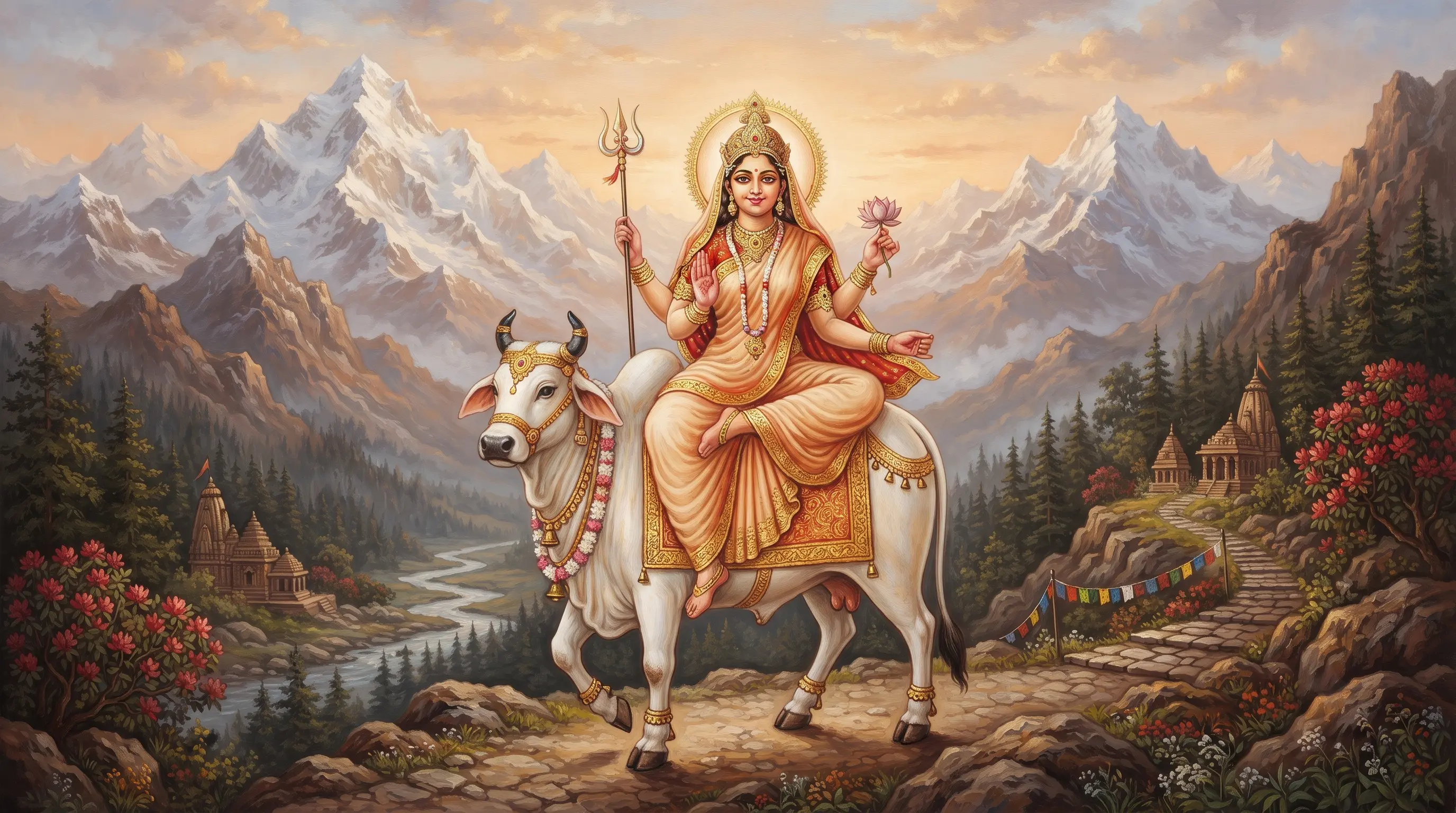
Navratri is one of the most significant Hindu festivals dedicated to Goddess Durga and her nine divine forms. The first day of Navratri is devoted to Maa Shailputri, the first form of Navadurga. The word "Shailputri" means the daughter of the mountains. She symbolizes strength, purity, devotion, and new beginnings.
Maa Shailputri inspires devotees to remain grounded, develop inner strength, and begin every new journey with faith and determination.
Maa Shailputri Puja Vidhi
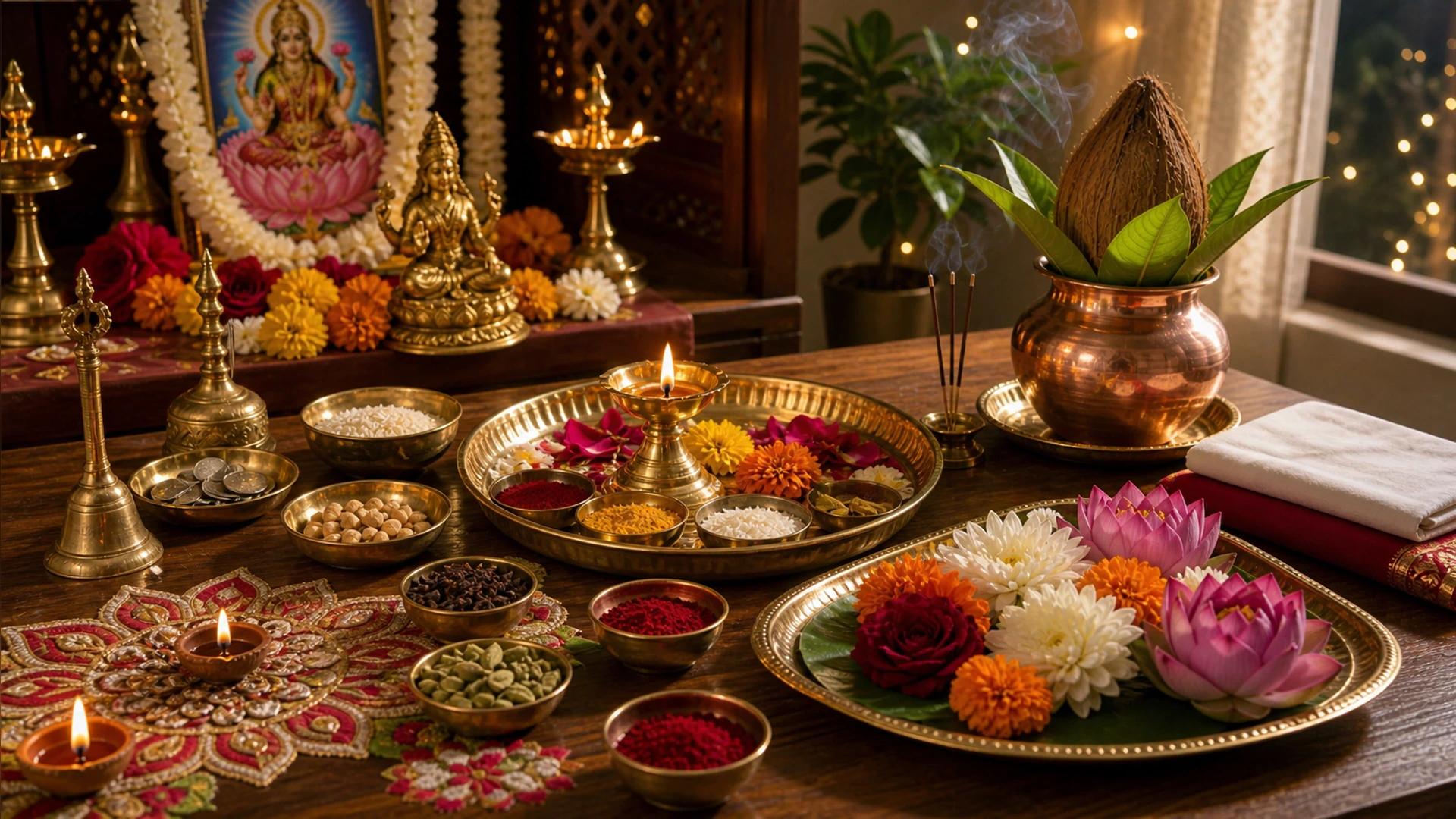
Devotees traditionally begin the day by bathing and cleaning their prayer space. A picture or idol of Maa Shailputri is placed at the worship area. A diya is lit, flowers are offered, and prayers are performed with devotion.
You may follow your family's traditional rituals and consult the local Hindu calendar for the appropriate puja timing.
Maa Shailputri Mantra
Om Devi Shailputryai Namah.
Chanting this mantra with devotion can serve as a moment of prayer, mindfulness, and spiritual reflection.
Spiritual Significance of Maa Shailputri
Maa Shailputri represents stability and determination. Her worship reminds us that every meaningful achievement begins with a strong foundation.
Whether you are starting a new career, pursuing a personal goal, or beginning a new chapter in life, the first day of Navratri offers an opportunity to set positive intentions and move forward with confidence.
Explore Astrology with Astro-Kaal-Chakra
As you begin your Navratri journey, take some time to reflect on your goals and spiritual interests.
Visit Astro-Kaal-Chakra to explore astrology-related information, horoscope insights, and available kundli services. You can also explore the features offered through our astrology app.
Celebrate Navratri with faith, positivity, and devotion.
Jai Mata Di!
Religious customs and interpretations may vary across regions and family traditions.
Updated 21 November 2026