Bhai Dooj 2026: Date, Tilak Muhurat, Puja Vidhi, Significance & Traditions
Bhai Dooj 2026: Date, Tilak Muhurat, Puja Vidhi, Significance & Traditions Introduction: Celebrating the Beautiful Bond Between Brothers and Sisters Bhai Dooj, also known as Bhaiya Dooj, Bhau Beej and
Bhai Dooj 2026: Date, Tilak Muhurat, Puja Vidhi, Significance & Traditions
Introduction: Celebrating the Beautiful Bond Between Brothers and Sisters
Bhai Dooj, also known as Bhaiya Dooj, Bhau Beej and Yama Dwitiya, is one of the most beautiful festivals celebrated in India. It honours the special bond of love, care, affection and protection between brothers and sisters.
Celebrated on the second lunar day (Dwitiya) of Shukla Paksha in the Hindu month of Kartik, Bhai Dooj marks the conclusion of the five-day Diwali festival.
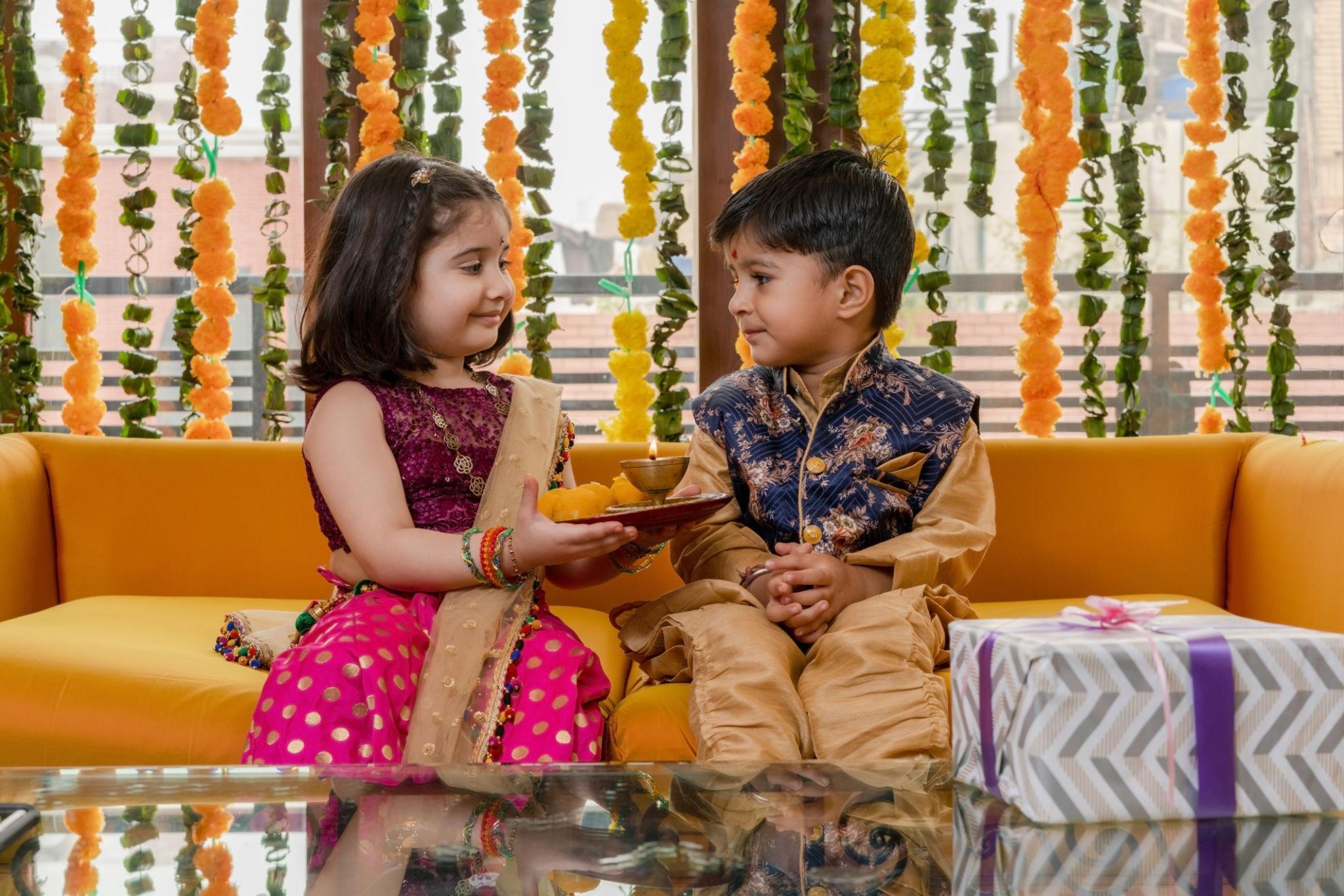
On this auspicious occasion, sisters apply a traditional tilak on their brothers' foreheads, perform aarti and pray for their long life, happiness, good health and prosperity. Brothers express their love and appreciation by giving gifts and promising to support their sisters.
Bhai Dooj is also known as Yama Dwitiya because of the traditional story of Lord Yama and his sister Goddess Yamuna.
In 2026, Bhai Dooj will be celebrated on Wednesday, 11 November.
Let's explore the Bhai Dooj 2026 date, Tilak Muhurat, puja vidhi, religious significance, traditional rituals and astrological importance.
Bhai Dooj 2026: Date and Important Timings
Bhai Dooj is celebrated on Kartik Shukla Dwitiya according to the Hindu Panchang.
Important details for Bhai Dooj 2026:
Festival: Bhai Dooj / Bhaiya Dooj
Other Name: Yama Dwitiya / Bhau Beej
Date: Wednesday, 11 November 2026
Hindu Month: Kartik
Paksha: Shukla Paksha
Tithi: Dwitiya
Dwitiya Tithi Begins: 2:00 PM, 10 November 2026
Dwitiya Tithi Ends: 3:53 PM, 11 November 2026
Bhai Dooj Tilak Muhurat (Jaipur): 1:16 PM – 3:27 PM
Duration: 2 Hours 11 Minutes
The Tilak Muhurat is based on Jaipur's local Panchang calculations. Timings can vary depending on the location.
Sisters should check their local Panchang before performing the ceremony.

Why Is Bhai Dooj Celebrated?
Bhai Dooj celebrates the love and lifelong relationship between brothers and sisters.
According to Hindu traditions, the festival is associated with the divine relationship between Lord Yama, the God of Death, and his sister Goddess Yamuna.
On this day, sisters pray for the well-being, protection and long life of their brothers.
The festival also reminds us of the importance of family relationships, love, respect and mutual support.
Bhai Dooj is not just a religious occasion; it is a celebration of the emotional connection that makes the relationship between siblings special.
The Story of Lord Yama and Goddess Yamuna
One of the most popular stories associated with Bhai Dooj is the story of Lord Yama and his sister Goddess Yamuna.
According to Hindu mythology, Goddess Yamuna lovingly invited her brother Yama to visit her home.
Lord Yama accepted the invitation and visited his sister.
Goddess Yamuna welcomed him with great affection, performed aarti, applied a ceremonial tilak on his forehead and offered him delicious food.
Lord Yama was pleased by his sister's love and hospitality.
He blessed her and declared that brothers who visit their sisters and receive their blessings and tilak on this auspicious day would be blessed with happiness, well-being and protection.
This tradition became associated with the celebration of Bhai Dooj, also known as Yama Dwitiya.
The story represents the beautiful bond between siblings and the importance of love, blessings and family relationships.
Bhai Dooj Puja Vidhi: Step-by-Step Rituals
Bhai Dooj is celebrated through traditional rituals performed by sisters for their brothers.
Here is a simple guide to performing the ceremony.
Step 1: Clean and Prepare the Puja Area
Clean your home and prepare a peaceful place for the Bhai Dooj ceremony.
Decorate the area with flowers, rangoli and traditional decorations.
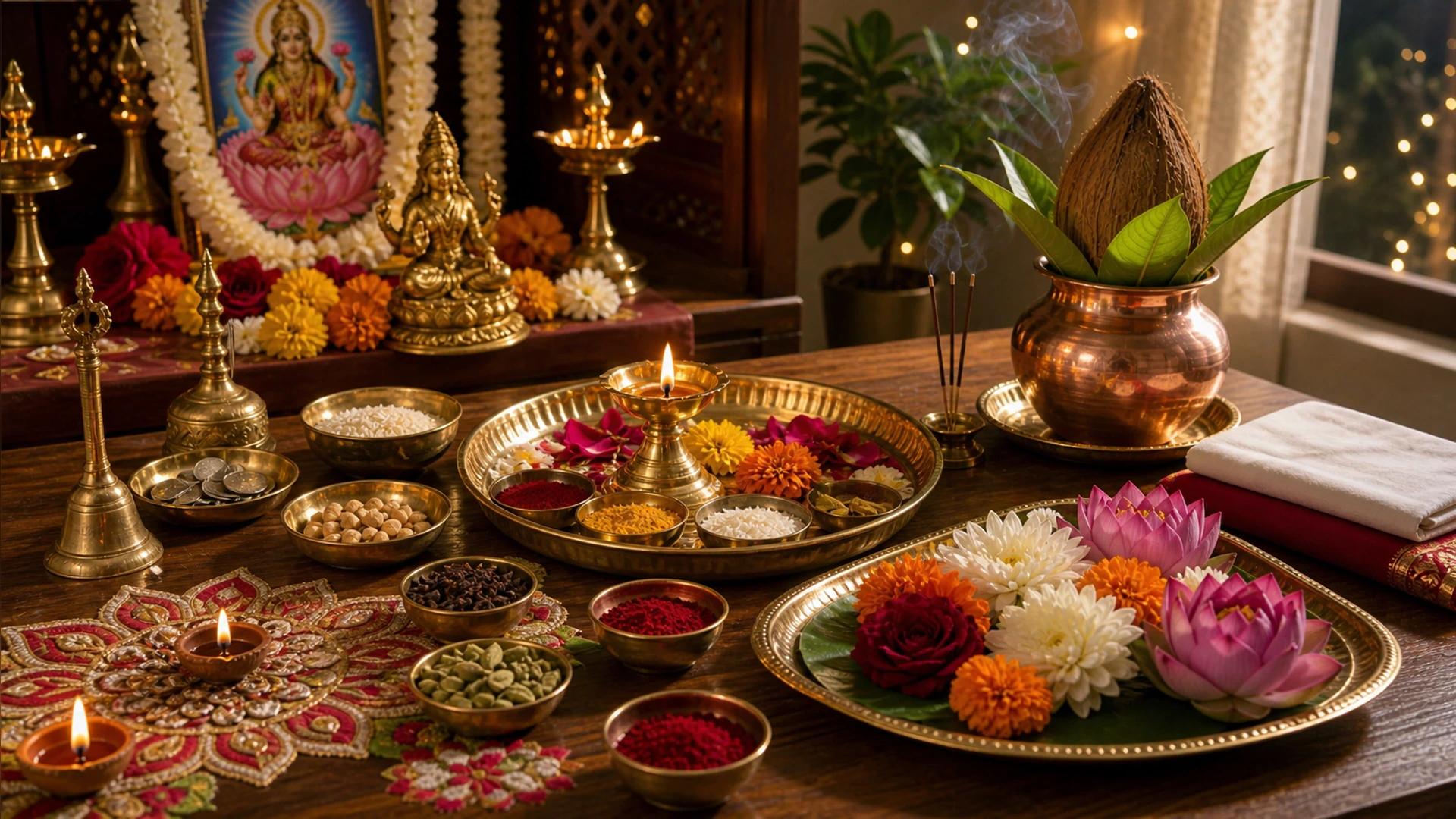
Step 2: Prepare the Puja Thali
Arrange a beautiful puja thali with the necessary items.
Common puja materials include:
Roli or kumkum
Akshat (uncooked rice)
Diya
Flowers
Sweets
Fruits
Coconut
Incense sticks
Aarti plate
Kalava or sacred thread, where customary
Step 3: Apply Tilak to Your Brother
Ask your brother to sit comfortably in the puja area.
Apply a traditional tilak using roli or kumkum and rice on his forehead.
This ritual symbolizes blessings, love and good wishes.
Step 4: Perform Aarti
Light the diya and perform aarti for your brother.
Pray for his long life, happiness, success and protection.
Step 5: Offer Sweets and Prasad
Offer sweets and traditional food to your brother.
Sharing sweets symbolizes happiness and strengthens the bond between siblings.
Step 6: Exchange Gifts
Brothers traditionally give gifts to their sisters as a symbol of love, gratitude and appreciation.
Gifts can include clothes, sweets, jewellery or other thoughtful presents.
Step 7: Seek Blessings and Celebrate Together
Spend quality time with your family, share meals and celebrate the beautiful relationship between brothers and sisters.

Significance of Tilak on Bhai Dooj
The tilak ceremony is one of the most important traditions of Bhai Dooj.
Sisters apply a tilak on their brothers' foreheads as a symbol of blessings, protection and good fortune.
Traditionally, roli and rice are used during the ceremony.
The tilak represents:
Love and affection between siblings.
Prayers for a brother's long and healthy life.
Protection from negative influences.
Happiness and prosperity.
The strength of family relationships.
This simple ritual carries deep emotional and cultural significance.
Why Is Bhai Dooj Also Called Yama Dwitiya?
Bhai Dooj is known as Yama Dwitiya because of its association with Lord Yama and Goddess Yamuna.
According to Hindu tradition, Lord Yama visited his sister Yamuna on the Dwitiya Tithi of Kartik Shukla Paksha.
The occasion became associated with prayers for longevity, well-being and the protection of brothers.
Devotees also consider bathing in the sacred Yamuna River on this occasion auspicious.
The festival continues to preserve the traditional message of sibling love and family blessings.
Different Names of Bhai Dooj Across India
Bhai Dooj is celebrated in different parts of India under various names.
1. Bhai Dooj – North India
In North India, particularly Rajasthan, Uttar Pradesh, Delhi and Madhya Pradesh, the festival is commonly known as Bhai Dooj or Bhaiya Dooj.
Sisters perform tilak and aarti for their brothers.
2. Bhau Beej – Maharashtra and Goa
In Maharashtra and Goa, the festival is known as Bhau Beej.
Sisters invite their brothers home and perform traditional rituals.
3. Bhai Phonta – West Bengal
In West Bengal, the festival is called Bhai Phonta.
Sisters apply a ceremonial sandalwood or other traditional tilak on their brothers' foreheads and pray for their well-being.
4. Bhai Tika – Nepal
In Nepal, the festival is celebrated as Bhai Tika during Tihar.
Sisters apply colourful tika on their brothers' foreheads and pray for their long lives and prosperity.
5. Yama Dwitiya
The religious name Yama Dwitiya highlights the traditional story of Lord Yama and Goddess Yamuna.
Although the rituals differ slightly, the central message remains the same: love, protection and affection between siblings.
Astrological and Spiritual Significance of Bhai Dooj
From a Vedic astrology perspective, Bhai Dooj is associated with family relationships, blessings, well-being and auspicious timings.
The festival is celebrated on Kartik Shukla Dwitiya, and the Panchang plays an important role in determining the appropriate time for the tilak ceremony.
1. Importance of Dwitiya Tithi
Dwitiya is the second lunar day of a fortnight.
Bhai Dooj is traditionally observed on Kartik Shukla Dwitiya, which is associated with the celebration of sibling relationships.
2. Importance of Muhurat
In Vedic astrology, auspicious timings are determined through Panchang elements such as:
Tithi
Nakshatra
Yoga
Karana
Vara
The Aparahna period, which falls during the afternoon, is traditionally considered important for the Bhai Dooj Tilak ceremony.
3. Lord Yama and Spiritual Protection
Lord Yama represents the traditional concept of justice, karma and the cycle of life.
The story of Yama and Yamuna reminds devotees to value life, family relationships and blessings.
4. Goddess Yamuna and Purity
Goddess Yamuna is associated with purity, devotion and divine blessings.
Bathing in the sacred Yamuna River is traditionally considered auspicious on Yama Dwitiya.
5. Family Relationships and Positive Energy
Bhai Dooj encourages people to strengthen family bonds, express gratitude and pray for the happiness and well-being of loved ones.

What Should You Avoid on Bhai Dooj?
According to traditional beliefs, devotees generally follow these practices:
Avoid unnecessary arguments with siblings.
Perform the tilak ceremony with love and devotion.
Keep the puja area clean.
Avoid disrespectful behaviour towards family members.
Do not perform rituals in a hurry.
Follow your family's regional traditions.
Avoid excessive spending on gifts.
The real purpose of Bhai Dooj is to celebrate love, respect and the importance of family relationships.
How to Celebrate Bhai Dooj with Family
Bhai Dooj is an opportunity to create beautiful memories with your siblings.
Here are some meaningful ways to celebrate:
Perform the traditional tilak ceremony.
Prepare homemade sweets and favourite dishes.
Exchange thoughtful gifts.
Visit your siblings if they live far away.
Share old family memories and photographs.
Spend quality time together.
Express gratitude and appreciation for one another.
Even a small gesture of love can make the day special.
Conclusion: A Celebration of Love, Protection and Togetherness
Bhai Dooj is a beautiful reminder of the special relationship between brothers and sisters.
The traditional tilak ceremony, aarti, sweets and exchange of gifts represent affection, blessings and lifelong support.
The story of Lord Yama and Goddess Yamuna gives this festival its spiritual importance and reminds us to value the people who bring happiness and strength into our lives.
As we celebrate Bhai Dooj 2026, may every brother and sister enjoy a relationship filled with love, trust, happiness and understanding.
May Lord Yama and Goddess Yamuna bless every family with health, prosperity and well-being.
Wishing you and your family a very Happy Bhai Dooj 2026!
Frequently Asked Questions (FAQs)
1. When is Bhai Dooj in 2026?
Bhai Dooj will be celebrated on Wednesday, 11 November 2026.
2. What is the Bhai Dooj Tilak Muhurat in Jaipur in 2026?
The Bhai Dooj Tilak Muhurat in Jaipur is 1:16 PM to 3:27 PM on 11 November 2026.
3. Which Tithi is observed on Bhai Dooj?
Bhai Dooj is celebrated on Kartik Shukla Dwitiya, the second lunar day of the bright fortnight.
4. Why is Bhai Dooj celebrated?
Bhai Dooj celebrates the special relationship between brothers and sisters. Sisters apply tilak and pray for their brothers' long life, happiness and prosperity.
5. Who are Yama and Yamuna?
Lord Yama is traditionally known as the God of Death, while Goddess Yamuna is a sacred river goddess. They are siblings in the traditional story associated with Bhai Dooj.
6. What is the significance of Tilak on Bhai Dooj?
The tilak symbolizes love, blessings, protection and prayers for a brother's well-being.
7. What is another name for Bhai Dooj?
Bhai Dooj is also known as Bhaiya Dooj, Bhau Beej, Bhai Phonta and Yama Dwitiya.
8. What is the difference between Bhai Dooj and Raksha Bandhan?
Both festivals celebrate the bond between brothers and sisters. Raksha Bandhan is celebrated during Shravan Purnima, while Bhai Dooj is observed on Kartik Shukla Dwitiya after Diwali.
9. Can married sisters celebrate Bhai Dooj?
Yes. Married sisters traditionally invite their brothers to their homes or visit them to perform the tilak ceremony and celebrate the occasion.
10. What is the spiritual importance of Bhai Dooj?
Bhai Dooj represents love, family unity, blessings, gratitude and prayers for the well-being of siblings.
Explore Vedic Astrology with Astro-Kaal-Chakra
Celebrate the beautiful bond of siblings with Astro-Kaal-Chakra.
Explore your personal Kundali, discover daily Panchang, understand planetary positions and connect with astrologers for personalized guidance.
Discover more about Vedic astrology, auspicious timings and the spiritual significance of Indian festivals.
Your Questions. Your Kundli. Your Guidance.
Visit: https://www.astrokaalchakra.com/
Happy Bhai Dooj 2026 from Astro-Kaal-Chakra!
Disclaimer: This article is intended for educational, cultural and spiritual information. Festival timings and rituals may vary according to geographical location, Panchang calculations and regional traditions. Astrology is a traditional belief system and should not replace professional medical, financial or other expert advice.
Updated 22 November 2026