Diwali 2026: Date, Lakshmi Puja Muhurat, Significance, Rituals & Puja Vidhi
Diwali 2026: Date, Lakshmi Puja Muhurat, Significance, Rituals & Puja Vidhi Introduction: The Festival of Lights Diwali, also known as Deepawali, is one of the most celebrated and spiritually signific
Diwali 2026: Date, Lakshmi Puja Muhurat, Significance, Rituals & Puja Vidhi
Introduction: The Festival of Lights
Diwali, also known as Deepawali, is one of the most celebrated and spiritually significant festivals in India. Known as the Festival of Lights, Diwali represents the victory of light over darkness, good over evil and knowledge over ignorance.
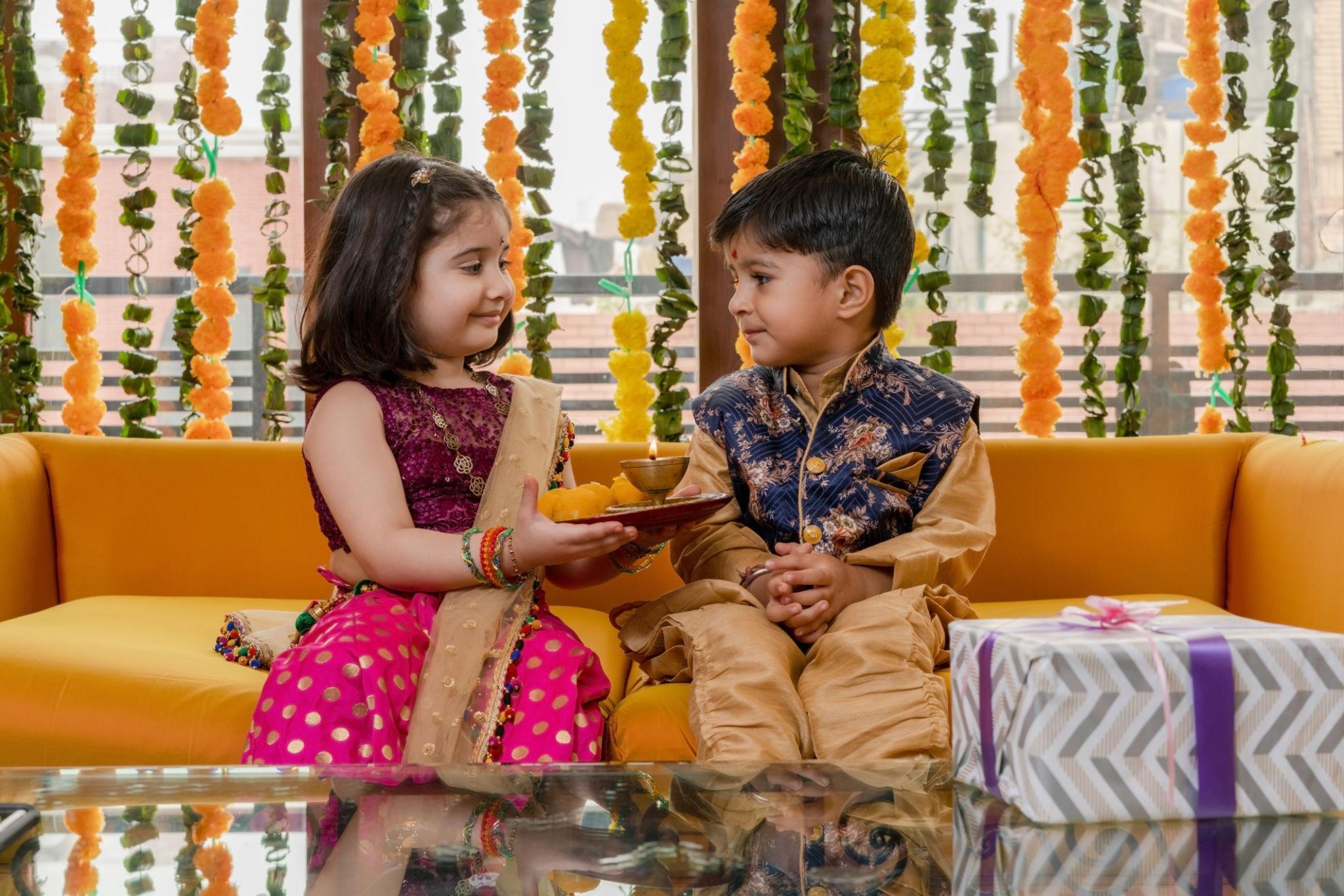
Every year, millions of people celebrate Diwali by decorating their homes with beautiful diyas, colourful rangoli, flowers and decorative lights. Families come together, exchange sweets and gifts, worship Goddess Lakshmi and Lord Ganesha, and pray for happiness, wealth, peace and prosperity.
Diwali is not just a festival of lights and celebrations. It is also a time for spiritual reflection, gratitude, new beginnings and positive intentions.
In 2026, Diwali will be celebrated on Sunday, 8 November. The main celebration includes Lakshmi-Ganesh Puja during the evening Pradosh Kaal.
Let's explore the Diwali 2026 date, Lakshmi Puja Muhurat, religious significance, traditional rituals and astrological importance.

Diwali 2026: Date and Important Timings
Diwali is celebrated on Amavasya, the new moon day of the Hindu month of Kartik.
Here are the important details for Diwali 2026:
Festival: Diwali / Deepawali
Date: Sunday, 8 November 2026
Hindu Month: Kartik
Paksha: Krishna Paksha
Tithi: Amavasya
Amavasya Tithi Begins: 11:27 AM, 8 November 2026
Amavasya Tithi Ends: 12:31 PM, 9 November 2026
Lakshmi Puja Muhurat (Jaipur): 6:03 PM – 7:59 PM
Pradosh Kaal (Jaipur): 5:40 PM – 8:16 PM
The above Lakshmi Puja timings are based on the Jaipur Panchang. Timings differ from city to city depending on local sunrise, sunset and astrological calculations.
Devotees should check their local Panchang before performing the puja.
Why Is Diwali Celebrated?
Diwali has several religious and cultural stories associated with it. Different regions of India celebrate the festival according to their traditions and beliefs.
1. Lord Rama's Return to Ayodhya
According to the Ramayana, Lord Rama returned to Ayodhya after completing fourteen years of exile and defeating Ravana.
The people of Ayodhya welcomed Lord Rama, Goddess Sita and Lord Lakshmana by lighting rows of oil lamps throughout the kingdom.
This tradition is associated with the celebration of Diwali and symbolizes the victory of righteousness over evil.
2. Worship of Goddess Lakshmi
According to Hindu traditions, Goddess Lakshmi is associated with wealth, prosperity, abundance and good fortune.
Diwali is considered an especially auspicious occasion to worship Goddess Lakshmi and seek blessings for financial stability, happiness and prosperity.
3. Lord Krishna and the Victory of Good
In some regional traditions, Diwali celebrations are also connected with the victory of Lord Krishna over Narakasura.
This story represents the destruction of evil and the restoration of peace.
4. Spiritual Significance
Diwali reminds us to remove negativity from our thoughts, develop positive habits and bring light into our lives through knowledge, kindness and good actions.

Lakshmi Puja Muhurat 2026: Best Time for Diwali Puja
Lakshmi Puja is one of the most important rituals performed during Diwali.
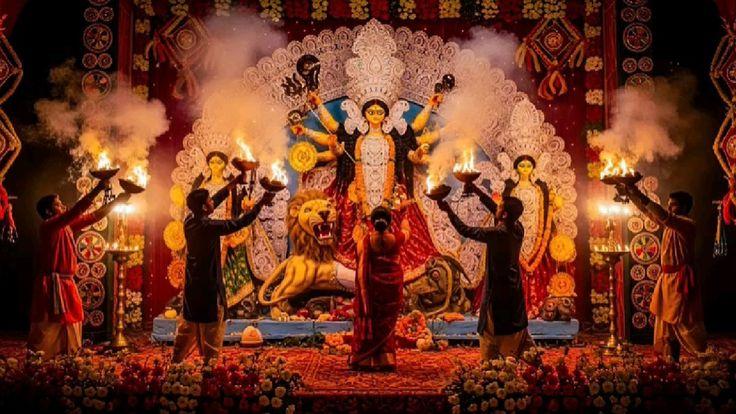
Devotees worship Goddess Lakshmi and Lord Ganesha during the evening Pradosh Kaal to seek blessings for wealth, wisdom, prosperity and happiness.
For Jaipur in 2026:
Diwali Date: Sunday, 8 November
Lakshmi Puja Muhurat: 6:03 PM – 7:59 PM
Pradosh Kaal: 5:40 PM – 8:16 PM
Vrishabha Lagna: 6:03 PM – 7:59 PM
Vrishabha Lagna is considered a Sthira Lagna, or fixed ascendant, and its overlap with Pradosh Kaal is traditionally considered favourable for Lakshmi Puja.
Performing the puja during the appropriate Muhurat is an important part of Diwali traditions.
Diwali Lakshmi-Ganesh Puja Vidhi: Step-by-Step Guide
Lakshmi-Ganesh Puja is performed with devotion and traditional rituals.
Here is a simple guide for performing Diwali Puja at home.
Step 1: Clean and Decorate Your Home
Clean your home, especially the entrance, puja room and surroundings.
Decorate your home with:
Colourful rangoli
Marigold flowers
Traditional clay diyas
Decorative lights
Torans and flower garlands
A clean and beautifully decorated home symbolizes welcoming positivity and prosperity.
Step 2: Prepare the Puja Area
Choose a clean and peaceful place for the puja.
Place the idols or pictures of Goddess Lakshmi and Lord Ganesha on a decorated platform.
Arrange the puja materials neatly.
Step 3: Prepare the Puja Samagri
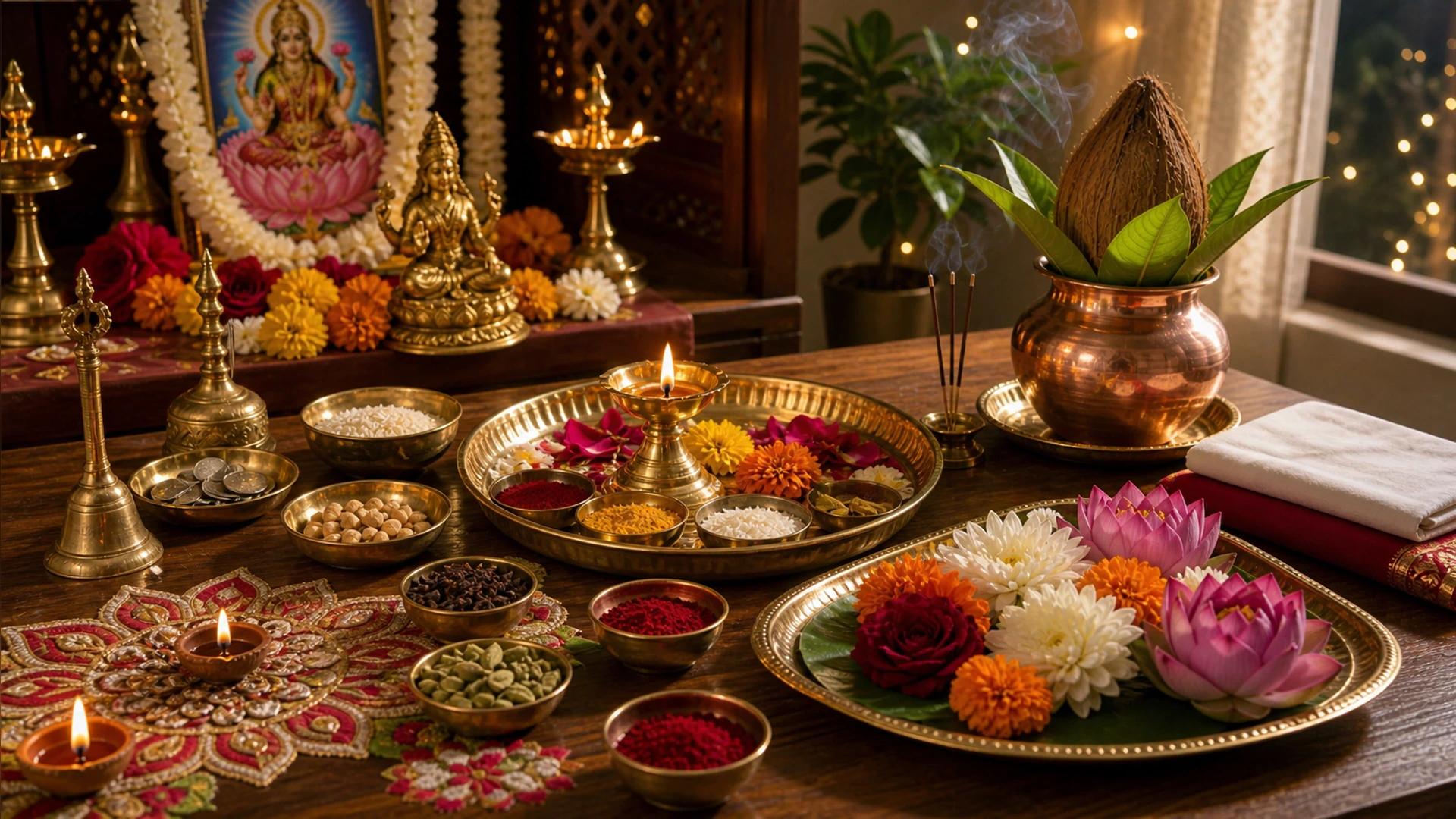
Commonly used Diwali Puja Samagri includes:
Goddess Lakshmi and Lord Ganesha idols
Flowers and garlands
Kumkum and haldi
Rice (Akshat)
Incense sticks and dhoop
Ghee or oil diyas
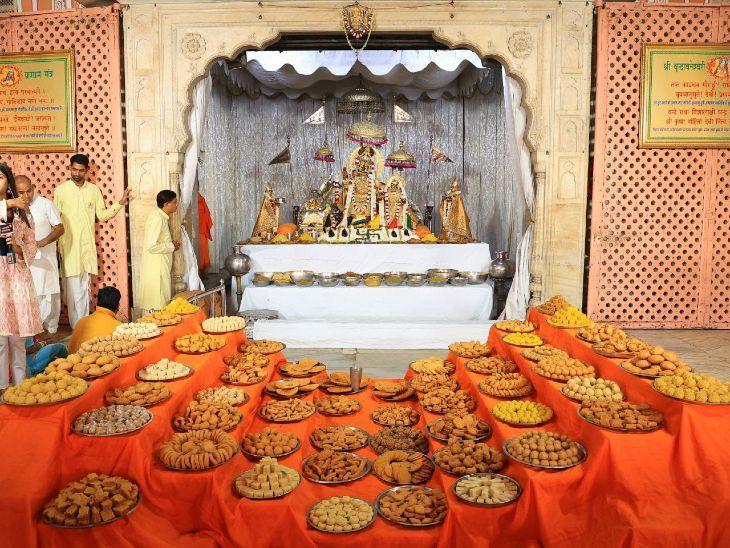
Fruits and sweets
Panchamrit
Betel leaves and nuts
Coins
Kalash
Cotton wicks
Puja thali
The exact requirements may vary according to regional and family traditions.
Step 4: Light the Diyas
Light diyas in the puja area and around your home.
The light of the diya symbolizes knowledge, hope and the removal of darkness.
Step 5: Worship Lord Ganesha
Begin the puja by worshipping Lord Ganesha.
Lord Ganesha is traditionally worshipped first as Vighnaharta, the remover of obstacles.
Offer flowers, sweets and prayers.
Step 6: Worship Goddess Lakshmi
Offer flowers, kumkum, rice, sweets and other traditional offerings to Goddess Lakshmi.
Pray for wealth, prosperity, happiness and peace in your family.
Step 7: Perform Lakshmi-Ganesh Aarti
Recite traditional prayers and perform aarti with a diya.
Families often sing Lakshmi and Ganesha aarti together.
Step 8: Distribute Prasad
After completing the puja, distribute prasad among family members and seek blessings from elders.

Important Diwali Mantras for Lakshmi and Ganesha
Devotees traditionally chant mantras during Lakshmi-Ganesh Puja.
Goddess Lakshmi Mantra
ॐ श्रीं महालक्ष्म्यै नमः॥
This mantra is traditionally associated with Goddess Lakshmi and prayers for prosperity and abundance.
Lord Ganesha Mantra
ॐ गं गणपतये नमः॥
This mantra is chanted to seek the blessings of Lord Ganesha for wisdom, success and the removal of obstacles.
Devotees may chant these mantras with devotion and concentration.
Why Do People Light Diyas on Diwali?
Lighting diyas is one of the most beautiful traditions of Diwali.
A diya represents the light of knowledge, hope, positivity and spiritual awareness.
According to Hindu beliefs, lighting lamps during Diwali symbolizes the removal of darkness and the welcoming of divine blessings.
People traditionally light diyas:
Near the main entrance of their homes.
Around the puja area.
Near windows and balconies.
In courtyards and gardens.
At temples and religious places.
The tradition encourages everyone to bring positivity, kindness and happiness into their lives.
Astrological Significance of Diwali 2026
From a Vedic astrology perspective, Diwali is an important spiritual occasion associated with Goddess Lakshmi, prosperity and auspicious beginnings.
The festival provides an opportunity to understand the traditional relationship between planetary energies, wealth and spiritual growth.
1. Goddess Lakshmi and Planet Venus (Shukra)
In Vedic astrology, Venus or Shukra is associated with luxury, comfort, beauty, relationships and material pleasures.
Goddess Lakshmi represents abundance and prosperity.
Her worship during Diwali is traditionally connected with seeking harmony, happiness and material well-being.
2. Lord Ganesha and Wisdom
Lord Ganesha symbolizes intelligence, wisdom and the removal of obstacles.
His worship reminds us that knowledge, patience and thoughtful decisions are important for success.
3. Amavasya and Spiritual Reflection
Diwali falls on Kartik Amavasya.
Amavasya is the new moon phase and is traditionally associated with spiritual practices, prayers and remembrance of ancestors.
Diwali celebrations bring a special message of illuminating the darkness through devotion, knowledge and positive actions.
4. Importance of Shubh Muhurat
In Vedic astrology, auspicious timings are calculated using several Panchang elements, including:
Tithi
Nakshatra
Yoga
Karana
Vara
Lagna
These elements are traditionally considered when selecting suitable timings for religious ceremonies and important beginnings.
5. Diwali and Financial Prosperity
Many families worship Goddess Lakshmi and Lord Kubera during Diwali to seek blessings for financial stability and abundance.
It is also a traditional time to organize business accounts, worship account books and begin new financial activities in some communities.
What Should You Avoid on Diwali?
According to traditional beliefs, devotees generally follow certain practices during Diwali.
Avoid unnecessary arguments and negative behaviour.
Keep the home and puja area clean.
Avoid excessive spending and unnecessary debt.
Do not disrespect elders or family members.
Avoid wasting food and resources.
Celebrate responsibly and avoid dangerous fireworks.
Perform religious activities with devotion rather than fear or superstition.
Diwali should be a celebration of happiness, peace, gratitude and togetherness.
How to Celebrate an Eco-Friendly Diwali
Diwali can be celebrated beautifully while also protecting the environment.
Here are some simple ways to enjoy an eco-friendly Diwali:
Use traditional clay diyas instead of excessive decorative lighting.
Choose natural flowers and eco-friendly rangoli colours.
Avoid noisy and highly polluting firecrackers.
Use reusable decorations.
Share homemade sweets and gifts.
Help underprivileged families.
Avoid wasting food and electricity.
An eco-friendly celebration makes the festival more meaningful for everyone.
Diwali: A Festival of Family, Happiness and New Beginnings
Diwali is not just about lighting lamps, buying gifts or decorating homes.
It is a celebration of family bonds, gratitude, spiritual awareness and fresh beginnings.
It reminds us that even a small light can remove darkness and that kindness, wisdom and positive actions can make life more meaningful.
Whether you celebrate by performing Lakshmi Puja, lighting diyas, preparing sweets or spending time with loved ones, the true spirit of Diwali lies in spreading happiness and positivity.
Conclusion: May Your Life Shine with Prosperity and Happiness
Diwali represents the victory of good over evil, light over darkness and knowledge over ignorance.
As we celebrate Diwali 2026, may Goddess Lakshmi bless every home with prosperity, Lord Ganesha remove obstacles from every path and divine blessings bring peace, health and happiness into everyone's life.
May this festival mark the beginning of new opportunities, positive thoughts and successful journeys.
Wishing you and your family a very Happy Diwali 2026!
May your home shine with happiness, your heart glow with positivity and your life be filled with prosperity.
Frequently Asked Questions (FAQs)
1. When is Diwali in 2026?
Diwali will be celebrated on Sunday, 8 November 2026, in India.
2. What is the Lakshmi Puja Muhurat for Diwali 2026 in Jaipur?
The Lakshmi Puja Muhurat in Jaipur is 6:03 PM to 7:59 PM on 8 November 2026.
3. Which gods are worshipped on Diwali?
Goddess Lakshmi and Lord Ganesha are primarily worshipped during Diwali. Some traditions also include Lord Kubera and Goddess Saraswati.
4. Why is Goddess Lakshmi worshipped on Diwali?
Goddess Lakshmi represents wealth, prosperity, abundance and good fortune. Devotees worship her to seek blessings for happiness and financial stability.
5. Why is Lord Ganesha worshipped with Goddess Lakshmi?
Lord Ganesha symbolizes wisdom and the removal of obstacles. His worship alongside Goddess Lakshmi represents the importance of combining prosperity with wisdom.
6. What is the significance of lighting diyas on Diwali?
Lighting diyas symbolizes the victory of light over darkness, knowledge over ignorance and positivity over negativity.
7. What is the astrological importance of Diwali?
Diwali falls on Kartik Amavasya and is associated with Goddess Lakshmi, prosperity and auspicious beginnings. Vedic astrology considers Panchang elements and Lagna when determining suitable puja timings.
8. What is the best time to perform Diwali Lakshmi Puja?
Lakshmi Puja is traditionally performed during Pradosh Kaal when the appropriate auspicious Lagna is present. The exact Muhurat varies by location.
9. Is Diwali an auspicious day to start a new business?
Many Hindu traditions consider Diwali an auspicious occasion for new beginnings, business prayers and worship of account books. The choice of Muhurat may depend on the nature of the activity and local Panchang.
10. What is the spiritual message of Diwali?
The spiritual message of Diwali is to remove negativity, develop wisdom, practise kindness and bring light and positivity into our lives.
Explore Vedic Astrology with Astro-Kaal-Chakra
Celebrate the festival of lights with positivity, devotion and spiritual awareness.
Astro-Kaal-Chakra helps you explore the world of Vedic astrology through personalized Kundali insights, Panchang information, horoscope guidance and astrological consultations.
Discover more about your planetary positions, auspicious timings and life's important questions.
Your Questions. Your Kundli. Your Guidance.
Visit: https://www.astrokaalchakra.com/
Happy Diwali 2026 from Astro-Kaal-Chakra!
Disclaimer: This article is intended for educational, cultural and spiritual information. Puja timings and religious practices may vary according to location, Panchang calculations and family traditions. Astrology is a traditional belief system and should not replace professional medical, financial or other expert advice.
Updated 22 November 2026