Choti Diwali & Kali Chaudas 2026: Date, Puja Muhurat, Significance & Rituals
Choti Diwali & Kali Chaudas 2026: Date, Puja Muhurat, Significance & Rituals Introduction: The Celebration of Light Over Darkness Choti Diwali and Kali Chaudas are important celebrations associated wi
Choti Diwali & Kali Chaudas 2026: Date, Puja Muhurat, Significance & Rituals
Introduction: The Celebration of Light Over Darkness
Choti Diwali and Kali Chaudas are important celebrations associated with the five-day Diwali festival. These occasions hold deep religious, cultural and spiritual significance in Hindu traditions.
Choti Diwali, also known as Naraka Chaturdashi or Roop Chaudas, celebrates the victory of Lord Krishna over the demon Narakasura. It symbolizes the triumph of good over evil and light over darkness.
Kali Chaudas, particularly celebrated in Gujarat and parts of western India, is dedicated to Goddess Kali. Devotees worship the Goddess to seek protection, courage and freedom from negative influences.
Both festivals are associated with Krishna Paksha Chaturdashi in the Hindu month of Kartik. However, their observance and rituals can differ depending on regional traditions and Panchang calculations.
In 2026, these celebrations take place around 7–8 November, making this period especially important during the Diwali festivities.
Choti Diwali 2026: Date and Important Timings
Choti Diwali, also called Naraka Chaturdashi, will be observed on Sunday, 8 November 2026, according to the Jaipur Panchang tradition.
Important details:
Festival: Choti Diwali / Naraka Chaturdashi
Date: Sunday, 8 November 2026
Hindu Month: Kartik
Paksha: Krishna Paksha
Tithi: Chaturdashi
Chaturdashi Tithi Begins: 10:48 AM, 7 November 2026
Chaturdashi Tithi Ends: 11:28 AM, 8 November 2026
Abhyanga Snan (Jaipur): Approximately 5:05 AM – 6:41 AM, 8 November 2026
The Abhyanga Snan period is associated with the early morning before sunrise. The exact timing can vary by location.
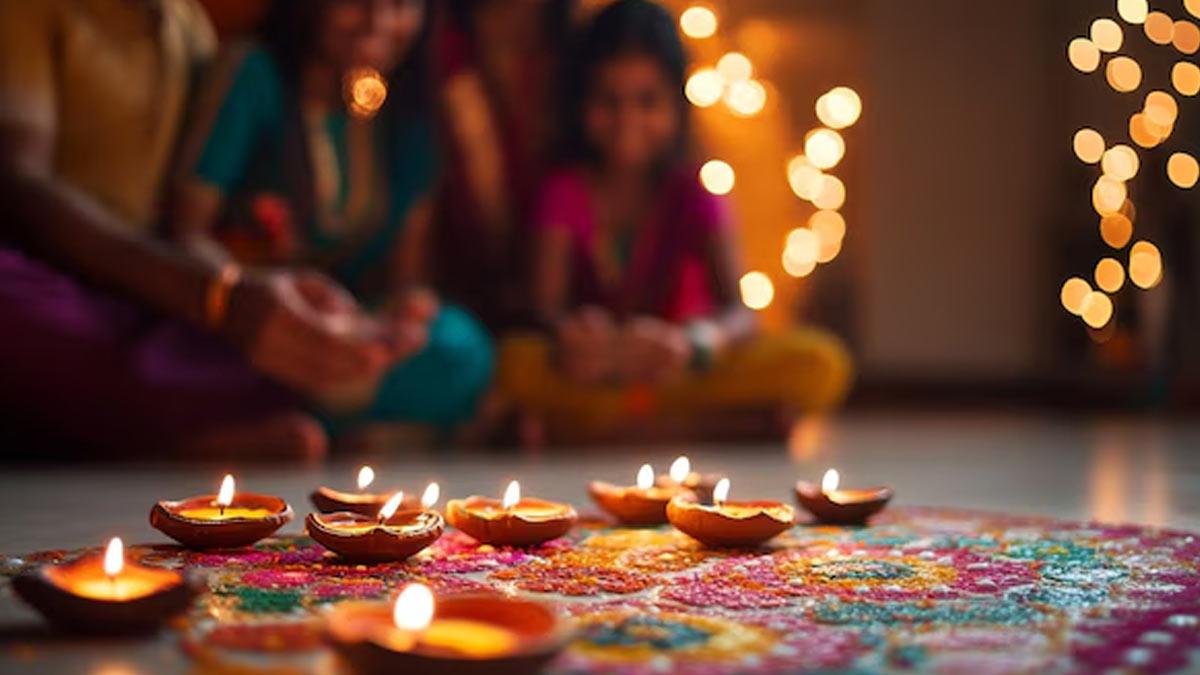
Kali Chaudas 2026: Date and Puja Muhurat
Kali Chaudas is an important Hindu observance, especially in Gujarat and western India.
In 2026, Kali Chaudas will be observed on Saturday, 7 November, with the significant midnight worship period extending into 8 November.
According to the New Delhi Panchang:
Festival: Kali Chaudas
Date: Saturday, 7 November 2026
Chaturdashi Tithi Begins: 10:47 AM, 7 November
Chaturdashi Tithi Ends: 11:27 AM, 8 November
Kali Chaudas Puja Muhurat: 11:39 PM, 7 November – 12:31 AM, 8 November
These timings are based on New Delhi calculations. Local Panchang timings may differ.
The midnight period, known as Nishita Kaal, is traditionally considered important for Kali Chaudas worship.
What Is Choti Diwali? Understanding Its Religious Significance
Choti Diwali is celebrated to remember the victory of Lord Krishna over Narakasura, a powerful demon who caused suffering and terror.
According to Hindu mythology, Narakasura had imprisoned thousands of women and created fear among people.
Lord Krishna, accompanied by Satyabhama, defeated Narakasura and restored peace.
This victory represents the destruction of evil, arrogance and negative forces.
The festival reminds us that:
Truth ultimately triumphs over falsehood.
Good actions overcome negativity.
Knowledge removes ignorance.
Inner strength helps overcome life's challenges.
Choti Diwali is therefore celebrated with prayers, traditional oil baths, decorations, sweets and lighting of diyas.
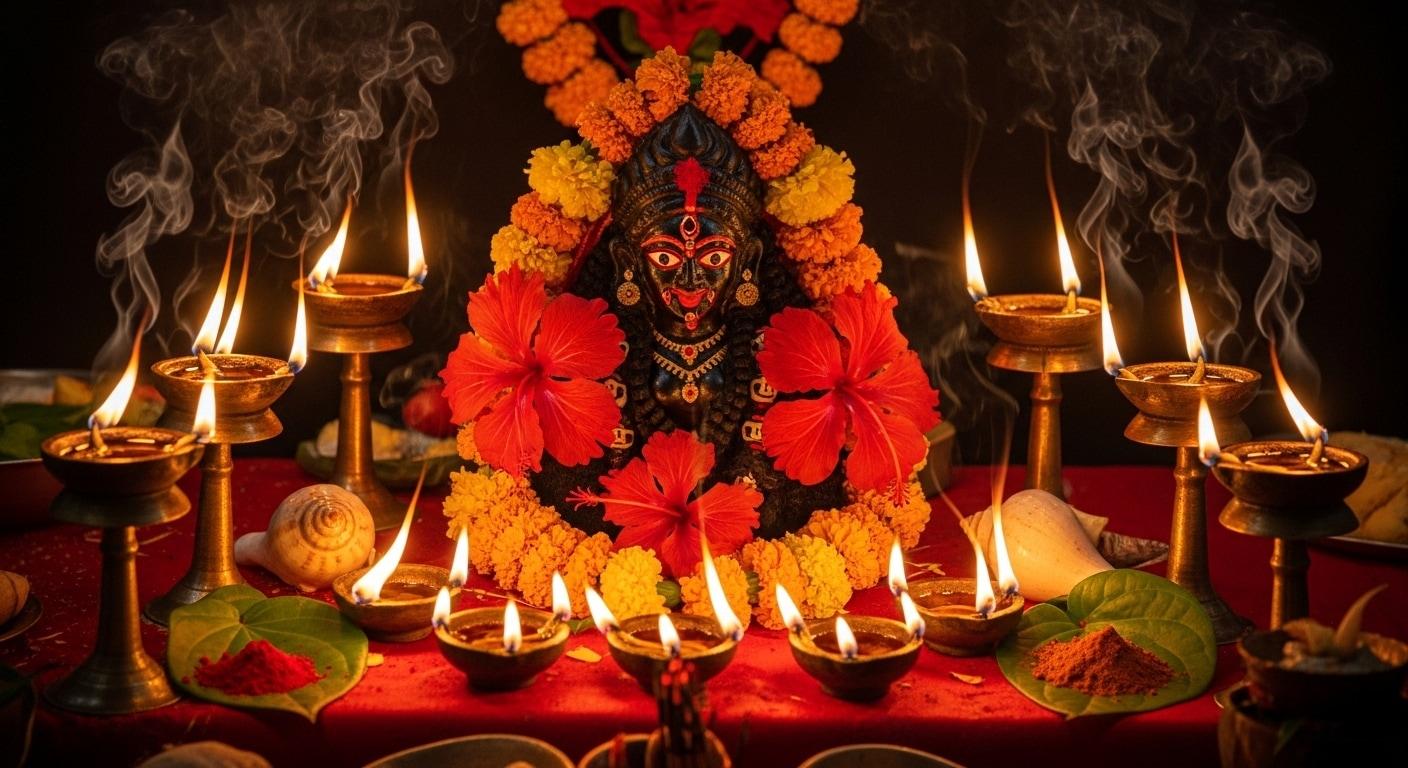
Why Is Kali Chaudas Celebrated?
Kali Chaudas is dedicated to Goddess Kali, a powerful manifestation of divine feminine energy.
Goddess Kali symbolizes courage, protection, strength and the destruction of evil.
The word Kali represents the Goddess, while Chaudas refers to the fourteenth lunar day.
Devotees believe that worshipping Goddess Kali on this occasion represents the removal of fear, negativity and harmful influences.
In Gujarat, Kali Chaudas is traditionally associated with special prayers and midnight worship.
In some regional traditions, devotees also worship Lord Hanuman for courage and protection.
The festival encourages people to overcome their fears, develop inner strength and follow a positive path.
Choti Diwali Puja Vidhi: Traditional Rituals
Choti Diwali is celebrated with several traditional rituals.
Here is a simple guide to the important practices:
1. Abhyanga Snan – Sacred Oil Bath
One of the most important traditions is Abhyanga Snan, a ritual bath performed before sunrise.
Devotees traditionally apply sesame oil and take a bath before sunrise.
According to Hindu beliefs, this ritual symbolizes purification and freedom from negativity.
2. Wear Clean Clothes
After the traditional bath, devotees wear clean clothes and prepare for the day's celebrations.
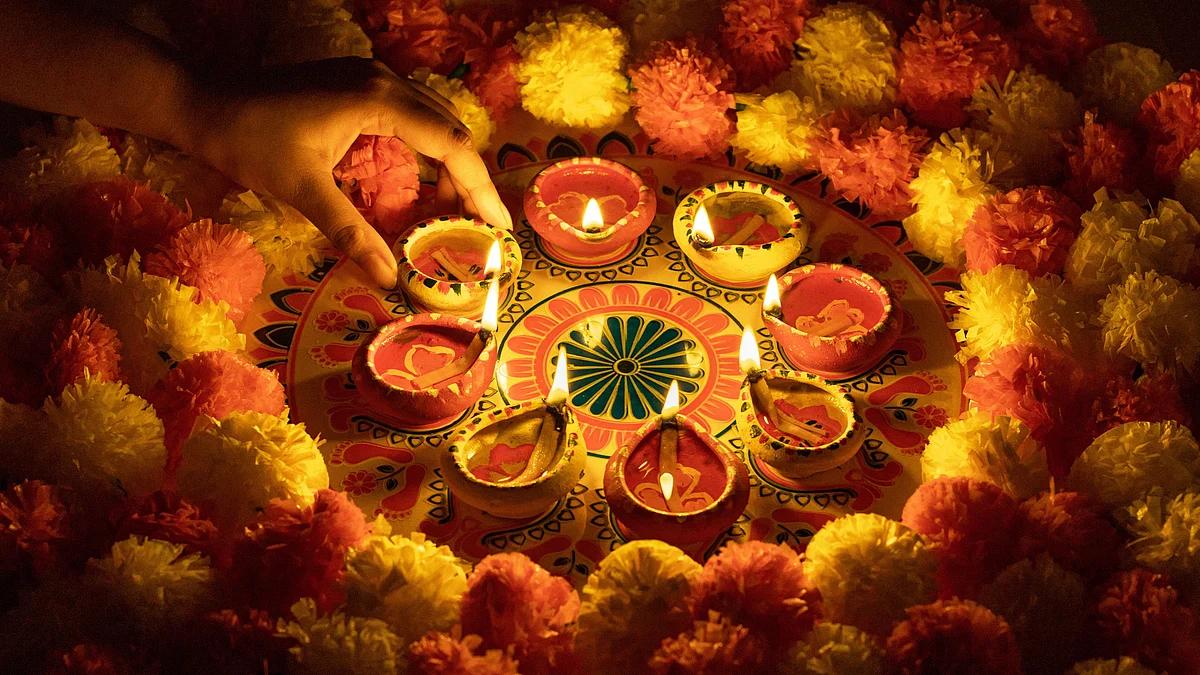
3. Light Diyas
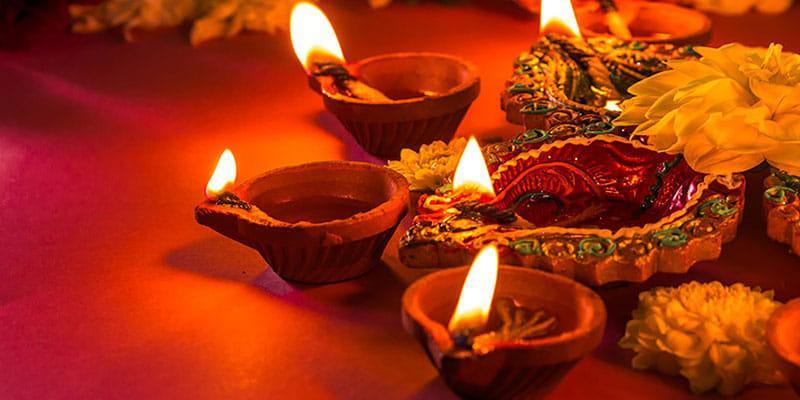
Light traditional clay diyas around the home, especially near the entrance and puja area.
Lighting lamps represents the victory of light over darkness.
4. Worship Lord Krishna
Offer prayers to Lord Krishna and remember his victory over Narakasura.
5. Offer Prasad
Prepare traditional sweets and offer fruits, flowers and prasad according to family traditions.
6. Decorate Your Home
Decorate your home with rangoli, flowers and beautiful lights to welcome positivity and happiness.
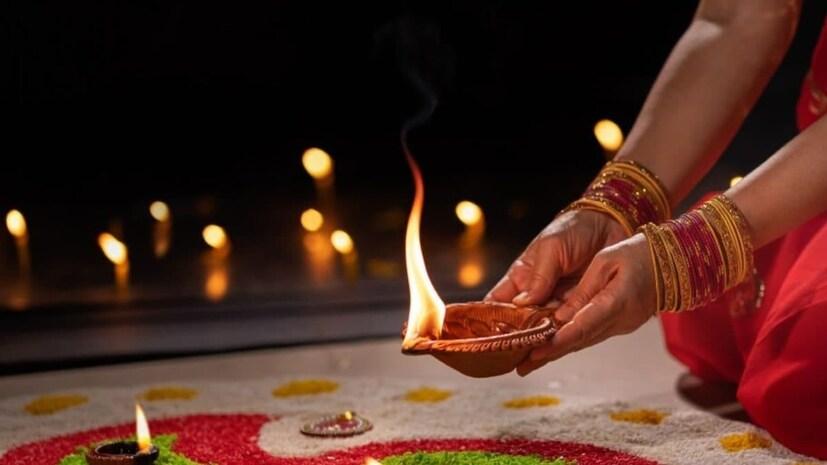
Kali Chaudas Puja Vidhi
Devotees observe Kali Chaudas with devotion and traditional prayers.
Common practices include:
Clean the home and prepare a peaceful prayer space.
Worship Goddess Kali with flowers, incense and traditional offerings.
Light diyas in the evening.
Recite prayers or mantras dedicated to Goddess Kali.
Some traditions include Hanuman worship for strength and protection.
Perform the rituals according to family traditions and the local Panchang.
A commonly recited mantra dedicated to Goddess Kali is:
ॐ क्रीं कालिकायै नमः॥
Devotees may chant this mantra with devotion and concentration.
Note: Some Kali Chaudas traditions involve specific midnight rituals. These should be followed according to local customs and guidance from a knowledgeable priest.
What Is Roop Chaudas? Why Is It Celebrated?
Roop Chaudas is another name associated with Naraka Chaturdashi, particularly in Rajasthan and other parts of North India.
The word Roop refers to beauty and appearance.
On this occasion, people traditionally perform an early morning oil bath and use herbal preparations or ubtan as part of their cleansing rituals.
The tradition symbolizes physical cleanliness, self-care and inner purification.
Many families follow traditional practices involving:
Sesame oil massage
Herbal ubtan
Early morning bathing
Wearing clean clothes
Prayers for beauty, health and well-being
Roop Chaudas reminds us that personal cleanliness and inner positivity are both important.
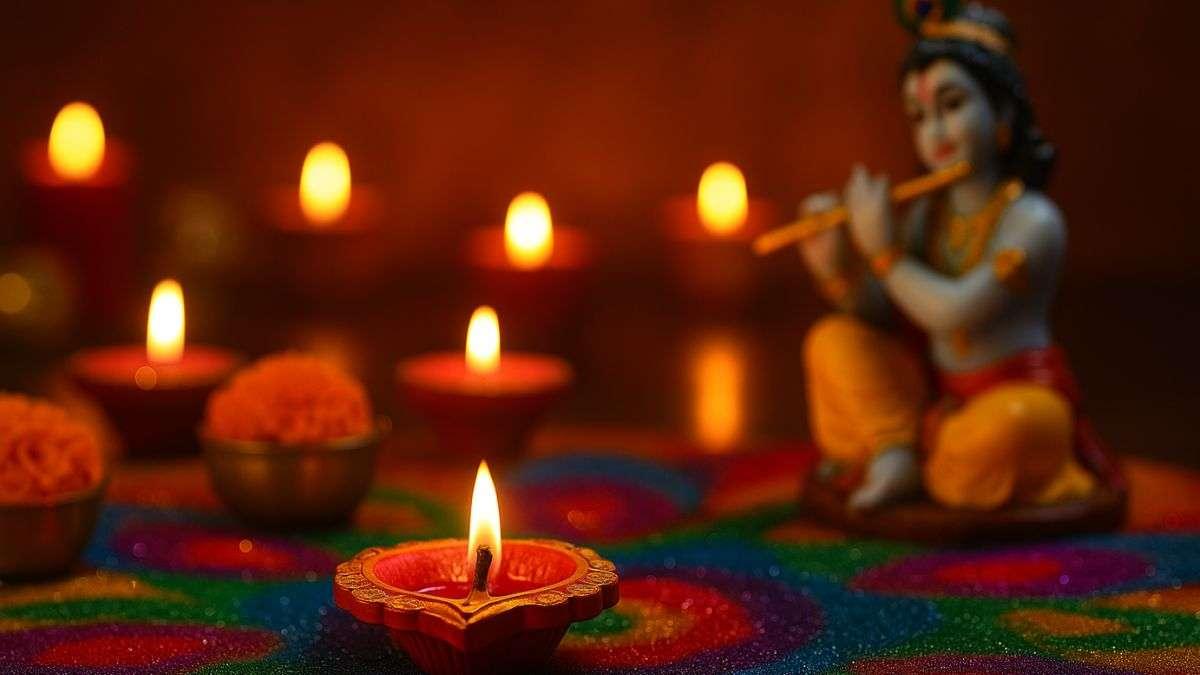
Difference Between Choti Diwali and Kali Chaudas
Although these festivals are associated with the same lunar tithi, their religious meanings and regional traditions are different.
Choti Diwali / Naraka Chaturdashi
Associated with Lord Krishna's victory over Narakasura.
Celebrated widely across India.
Includes Abhyanga Snan and lighting diyas.
Symbolizes the victory of good over evil.
Kali Chaudas
Dedicated to Goddess Kali.
Particularly important in Gujarat and western India.
Associated with midnight worship and prayers for protection.
Symbolizes the destruction of negativity and fear.
The distinction is important because Kali Chaudas is generally determined by the midnight presence of Chaturdashi, while Naraka Chaturdashi rituals are connected with the pre-sunrise period.
Therefore, the two observances can fall on different civil dates.
Astrological and Spiritual Significance
From a Vedic astrology perspective, Choti Diwali and Kali Chaudas are associated with purification, spiritual strength and protection.
These festivals provide an opportunity to reflect on the importance of positive thoughts and actions.
1. The Importance of Krishna Paksha Chaturdashi
Chaturdashi is the fourteenth lunar day of the fortnight.
These festival observances are traditionally linked with specific rituals performed during the appropriate tithi and time periods.
2. Goddess Kali and Divine Energy
Goddess Kali represents Shakti, the divine feminine energy.
Her worship symbolizes courage, transformation and the removal of ignorance.
3. Lord Krishna and the Victory of Good
The story of Narakasura's defeat reminds devotees that negative qualities such as arrogance, greed and cruelty must be overcome.
4. The Importance of Muhurat
In Vedic astrology, auspicious timings are calculated using Panchang elements such as:
Tithi
Nakshatra
Yoga
Karana
Vara
These elements help determine suitable timings for traditional religious activities.
For personalized astrological insights, an individual's Janam Kundali can also be studied.
What Should You Avoid During Choti Diwali and Kali Chaudas?
According to traditional beliefs, devotees generally follow these practices:
Avoid unnecessary arguments and negative behaviour.
Maintain cleanliness in your home and prayer area.
Avoid excessive spending and irresponsible decisions.
Do not perform unfamiliar rituals without proper guidance.
Respect family traditions and regional customs.
Celebrate responsibly and avoid activities that may harm others.
The main purpose of these festivals is to encourage positivity, devotion and spiritual well-being.
How to Celebrate Choti Diwali and Kali Chaudas with Family
These festivals are wonderful opportunities to spend quality time with family.
You can celebrate by:
Decorating your home with traditional diyas.
Creating beautiful rangoli designs.
Preparing homemade sweets.
Performing family prayers.
Sharing happiness with friends and neighbours.
Helping people in need.
Practising gratitude and kindness.
Small acts of kindness can make these celebrations even more meaningful.
Conclusion: Welcome Positivity, Courage and Happiness
Choti Diwali and Kali Chaudas carry meaningful messages about the victory of good over evil, the importance of inner purification and the power of divine protection.
While Choti Diwali celebrates Lord Krishna's victory over Narakasura, Kali Chaudas reminds devotees of Goddess Kali's strength and protective energy.
Both festivals encourage us to remove negativity from our lives and welcome a brighter future.
May Goddess Kali bless you with strength and protection, Lord Krishna guide you towards righteousness, and your home be filled with happiness, peace and prosperity.
Wishing you and your family a Happy Choti Diwali and Kali Chaudas 2026!
Frequently Asked Questions (FAQs)
1. When is Choti Diwali in 2026?
Naraka Chaturdashi (Choti Diwali) will be observed on Sunday, 8 November 2026, according to the Jaipur Panchang.
2. When is Kali Chaudas in 2026?
Kali Chaudas will be observed on Saturday, 7 November 2026. Its midnight puja muhurat extends into 8 November.
3. What is the difference between Choti Diwali and Kali Chaudas?
Choti Diwali celebrates Lord Krishna's victory over Narakasura, whereas Kali Chaudas is primarily dedicated to Goddess Kali and prayers for protection.
4. Why is Abhyanga Snan performed on Choti Diwali?
Abhyanga Snan is a traditional oil bath performed before sunrise. It symbolizes purification, cleanliness and freedom from negativity.
5. What is Roop Chaudas?
Roop Chaudas is a regional name for Naraka Chaturdashi. It is associated with traditional bathing and personal cleansing rituals.
6. Which Goddess is worshipped on Kali Chaudas?
Goddess Kali is worshipped on Kali Chaudas as a symbol of strength, protection and the destruction of evil.
7. What is the Kali Chaudas puja timing in 2026?
For New Delhi, the midnight puja muhurat is 11:39 PM on 7 November to 12:31 AM on 8 November 2026.
8. Is Kali Chaudas the same as Kali Puja?
No. Kali Chaudas is associated with Krishna Chaturdashi, while Kali Puja is generally performed on the Amavasya night of Diwali, particularly in Bengal.
Explore Vedic Astrology with Astro-Kaal-Chakra
Discover more about Hindu festivals, Panchang, auspicious timings and Vedic astrology.
With Astro-Kaal-Chakra, explore your personal Kundali, understand planetary positions and seek personalized astrological guidance.
Your Questions. Your Kundli. Your Guidance.
Visit: https://www.astrokaalchakra.com/
Disclaimer: This article is intended for educational, cultural and spiritual purposes. Festival dates, rituals and auspicious timings may vary according to regional traditions and local Panchang calculations. Astrology is a traditional belief system and should not replace professional medical, financial or other expert advice.
Updated 22 November 2026